3-Read Friday #114
Prior knowledge, procedural fluency, and slow reveal graphs

Here are three blog posts I found interesting this week:
When Prior Knowledge Helps, and When It Doesn’t by Efrat Furst
I’ll read anything Efrat writes, and this is another classic. Furst argues that the famous maxim — learning depends most on what the learner already knows — needs a sharper edit: it’s not just what learners know, but how that knowledge is structured. Whether it’s shallow or deep, she suggests, should be the first thing teachers weigh — and it flips everything that follows.
What is procedural fluency? by Bill McCallum
A lovely example of someone refusing to let a slippery term stay slippery. McCallum argues that procedural fluency has been muddied by loose talk of “flexibility” and “automaticity,” so he rebuilds the term from the ground up. The result is a tighter, more functional definition — one centred on what fluency is actually for.
Slow Reveal Graphs Are Awesome by Dylan Kane
There are few things in life I like more than a maths website I’ve not previously discovered. Kane argues that school maths shows pupils such a narrow slice of what graphs can look like that one of his students thought a perfectly normal graph was “facing the wrong way.” His fix is a simple daily routine, via a cracking website, and a quiet case for letting kids learn surprising things about the world.
Have a great weekend!
Craig
🏃🏻♂️Before you go, have you… 🏃🏻♂️
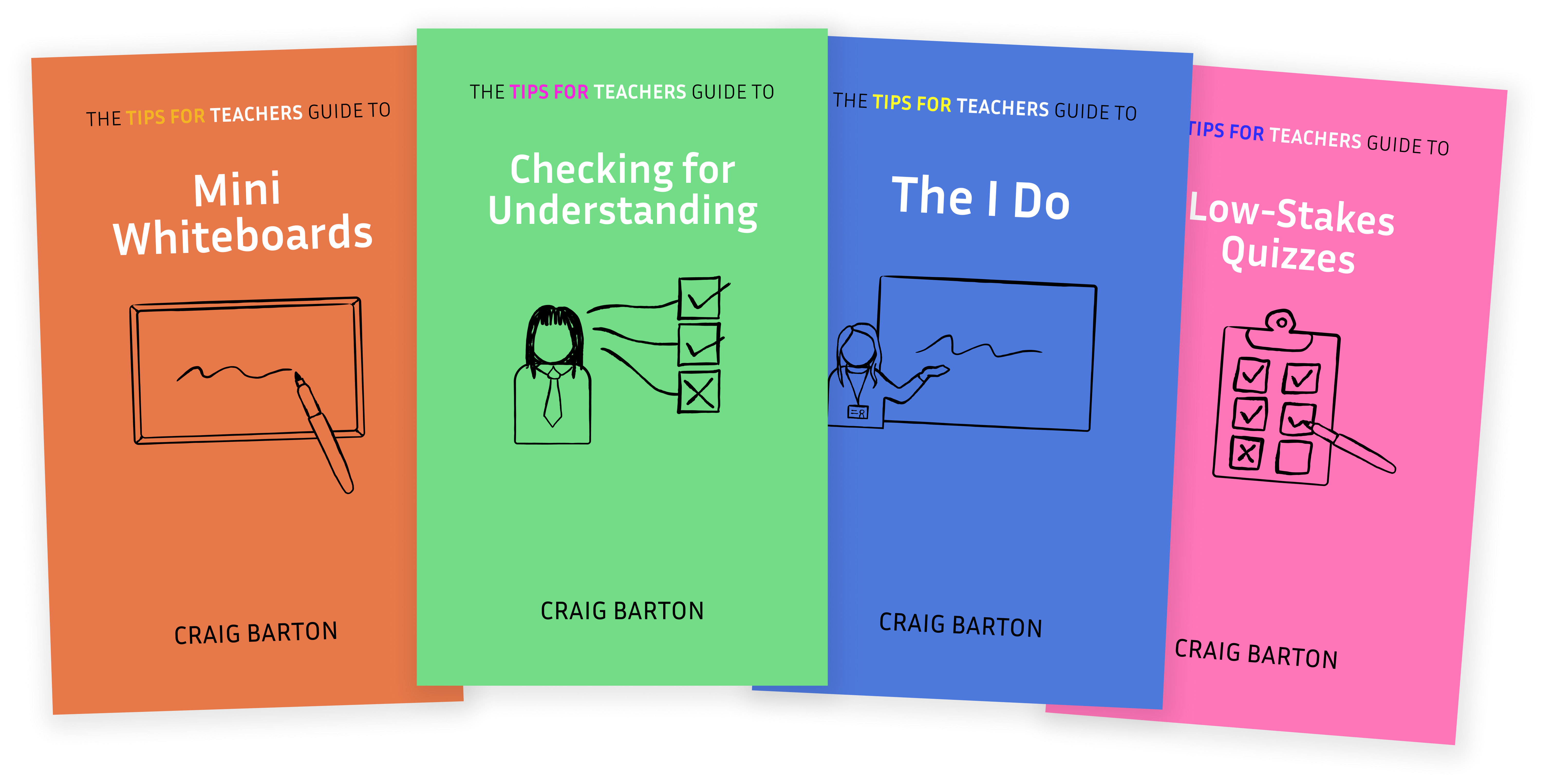
… checked out my brand-new book series: The Tips for Teachers guides to…
And checked out my Ultimate Retrieval Tool page on my Mr Barton Maths website