
3-Read Friday #106
Working memory, principle to practice, and the evidence for AI

Here are three blog posts that I found interesting this week.
1. Looking at Working Memory Another Way by Efrat Furst
This is the best post I have ever read on working memory. Effrat argues that working memory is best understood not as a limited container to avoid overloading, but as an active process in which the depth and structure of prior knowledge determine what new learning can be built.
2. From Principle to Practice: Lessons I have learnt about Implementing Lesson Principles Well by Hali Hughes
Wow, this is a great read. Hali argues that lesson principles only improve pupils' experience when leaders treat implementation not as a launch event but as a sustained, structured architecture — translating abstract beliefs into specific routines, supported by coaching, aligned systems, and the discipline to do fewer things more deeply.
3. Understanding the Evidence Base on AI in K-12 Education by Stanford Scale Initiative
You didn’t think we were going to get through a 3-Read Friday without at least one AI-related article, did you? This report from Stanford suggests that, despite rapid growth in AI-in-education research, rigorous causal evidence remains thin, with early findings suggesting that tool design and pedagogical guardrails — not AI access alone — determine whether students develop durable learning or mere tool-dependent performance.
Have a great weekend!
Craig
🏃🏻♂️Before you go, have you… 🏃🏻♂️
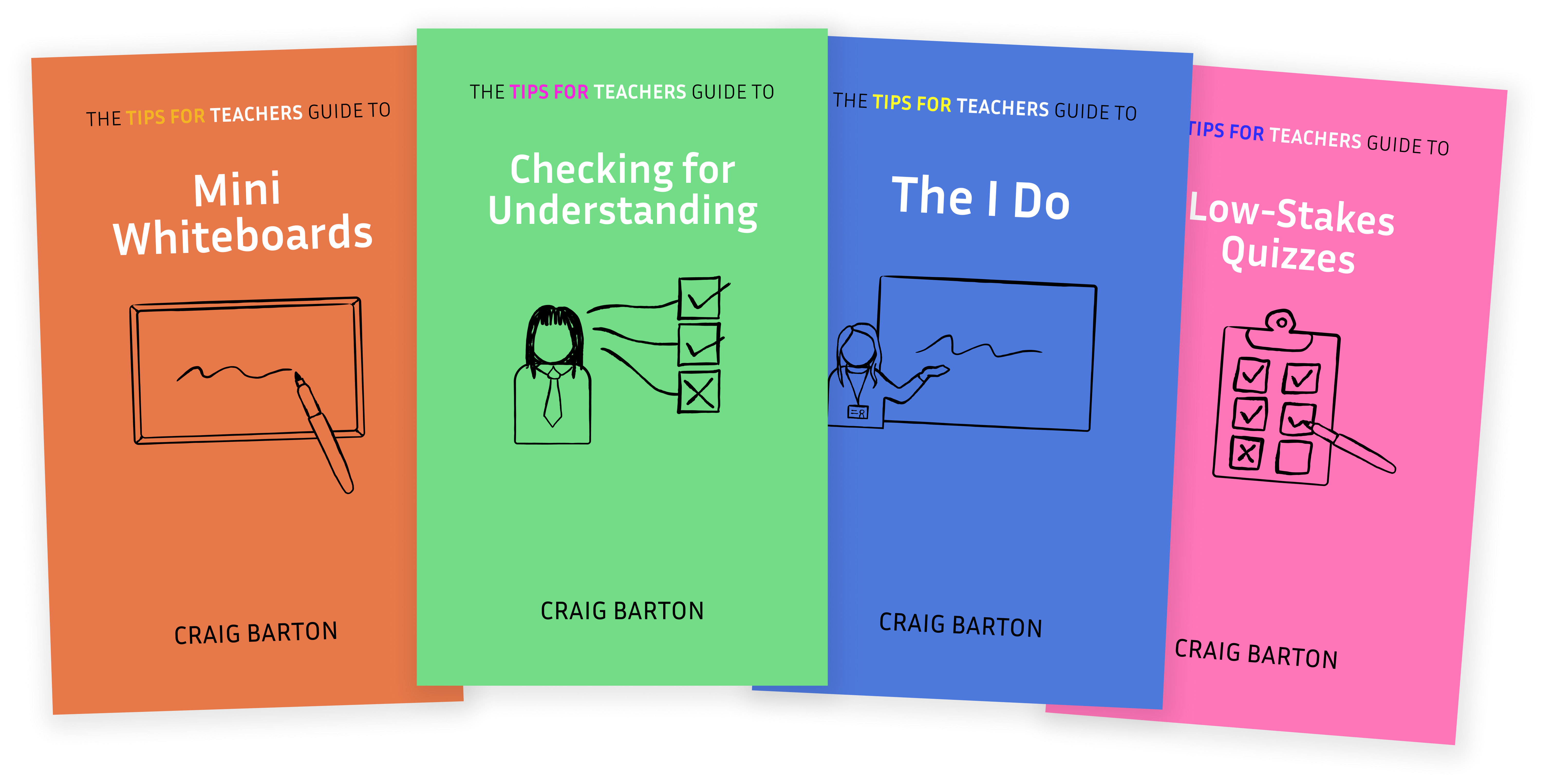
… checked out my brand-new book series: The Tips for Teachers guides to…
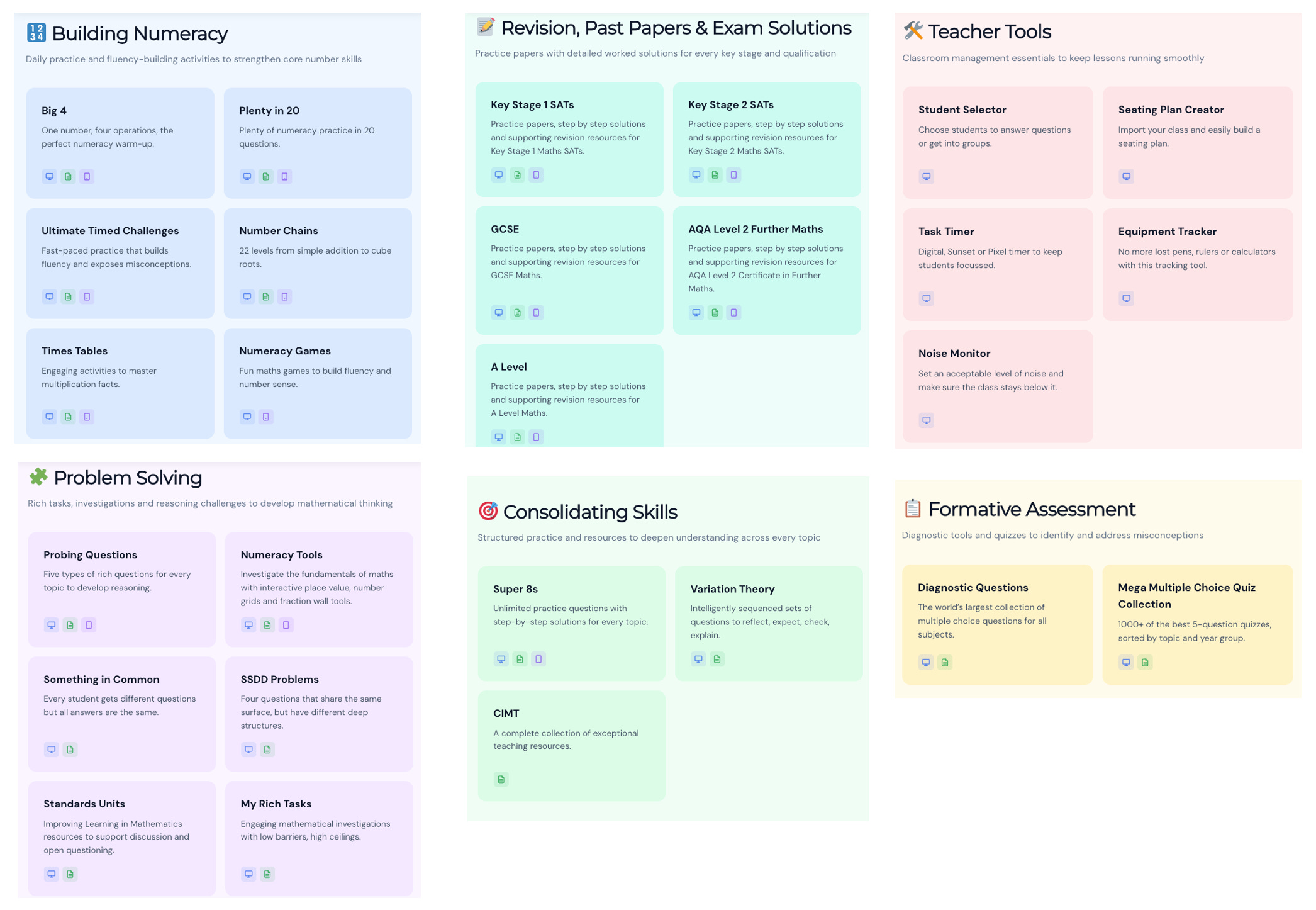
And checked out my all-new, ad-free, Mr Barton Maths website
Thank you for reading and sharing - I really appreciate the parsimonious and succint overview! And thanks for the recommendations 🤓